Definition
Persistent forward placement of the tongue against or between the maxillary incisors during rest, speech, swallowing, or sucking.
Etiology
Commonly linked to habits (thumb‑sucking, prolonged pacifier use), oral‑facial myofunctional disorders, or a low‑set/short frenulum (ankyloglossia).
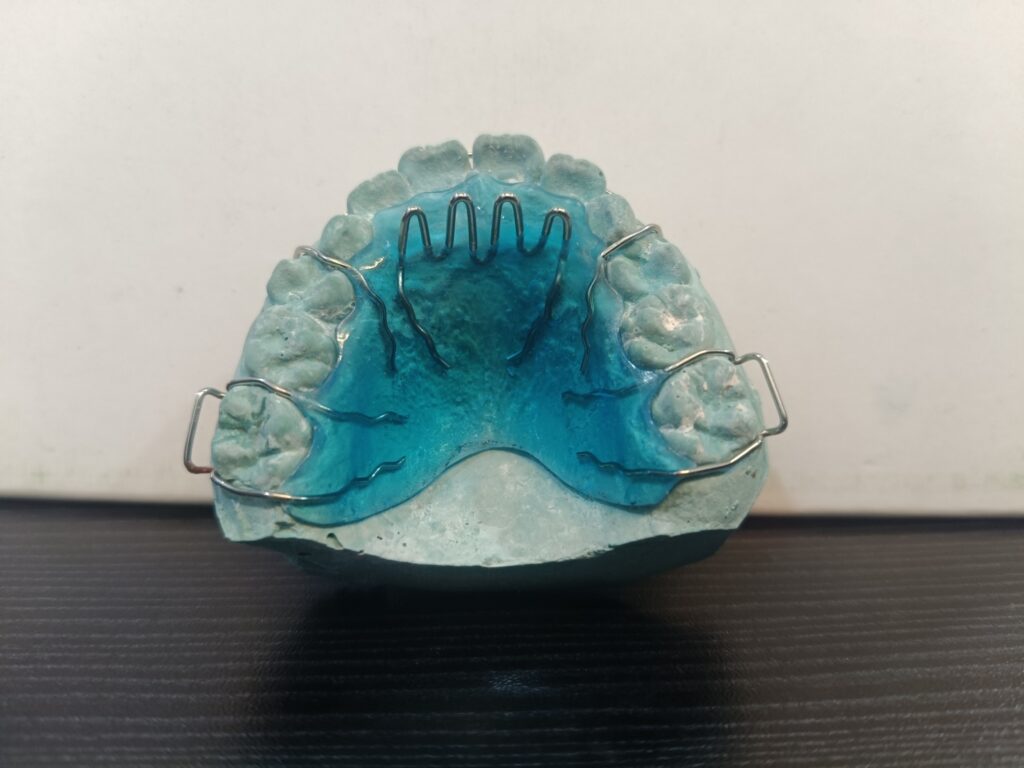
Clinical Consequences
- Dental: Anterior open bite, proclination of maxillary incisors, spacing, and relapse after orthodontic treatment.
- Periodontal: Increased plaque accumulation on labial surfaces, risk of gingival recession.
- Speech & Swallowing: Lisping, altered phonetics, inefficient mastication, and chronic nasal breathing.
Assessment
- Observe tongue position at rest (should rest lightly against the palate, not the teeth).
- Evaluate during functional tasks: swallowing (look for “tongue‑up” pattern), speech, and sucking.
- Perform a frenulum assessment (Miller’s classification) to rule out restrictive tie.
Management Strategies
- Myofunctional Therapy: Structured exercises to retrain tongue posture, improve nasal breathing, and reinforce proper swallowing patterns.
- Habit Interruption: Behavioral counseling to cease thumb‑sucking or pacifier use; use positive reinforcement.
- Frenectomy (if indicated): Surgical release of a restrictive frenulum followed by post‑operative myofunctional therapy.
- Orthodontic Collaboration: Coordinate with the orthodontist to address existing malocclusion and prevent relapse after correction.
FAQ–Frequently Asked Questions
Tongue‑thrust describes the forward placement of the tongue during functional activities (swallowing, speech, sucking). Proper tongue‑rest posture means the tongue lightly contacts the palate with the tip away from the teeth.
Yes. Ankyloglossia (restricted frenulum) can limit the tongue’s ability to rise to the palate, prompting a compensatory forward position.
Persistent forward tongue pressure can undo tooth movement, leading to relapse of an anterior open bite or proclined incisors after braces or aligners.
Clinical studies show that targeted myofunctional exercises, combined with habit cessation and, when needed, frenectomy, improve tongue posture in ≈ 80 % of patients within 3–6 months.
Palate lift: Place the tip of the tongue on the roof of the mouth and gently press upward for 5 seconds; repeat 10 times.
“N” sound practice: Say “na‑na‑na” slowly, keeping the tongue tip on the palate.
Swallow training: With lips sealed, place the tongue on the palate, swallow while maintaining that position; repeat 5 times per meal.
How to Wear a Tongue‑Grip (Tongue‑Positioner) Appliance
- Select the Correct Size
Choose the appliance that fits snugly over the maxillary arch without causing excessive pressure on the teeth.
Verify that the tongue‑contact pad rests just behind the upper incisors, allowing the tongue tip to touch the palate. - Prepare the Appliance
Rinse the device with warm water and a mild, non‑abrasive soap.
Dry it thoroughly; a dry surface improves adhesion and comfort. - Placement
Tilt your head slightly forward and open your mouth wide.
Insert the appliance so the lower edge sits on the mandibular teeth and the upper lip flange rests against the maxillary labial gingiva.
Press gently to seat the tongue‑contact pad against the palate; the tip of the tongue should naturally rest on the pad. - Secure the Fit
Use the built‑in retention tabs (if present) to engage the buccal surfaces of the posterior teeth.
Ensure there is no rocking or movement; the device should feel stable but not tight. - Initial Wearing Schedule
Start with 15 minutes during the first day, preferably after a meal when the mouth is clean.
Gradually increase by 15‑30 minutes each day, aiming for 2–3 hours total per day (or as directed by the therapist). - Maintenance During Use
If the appliance feels uncomfortable or causes gagging, remove it, rinse, and re‑insert.
Do not wear while eating, drinking, or speaking for extended periods; brief removal is acceptable. - Cleaning After Each Use
Rinse with water, brush gently with a soft toothbrush, and store in a clean, dry container.
Replace the appliance according to the manufacturer’s recommendations (typically every 3–6 months).