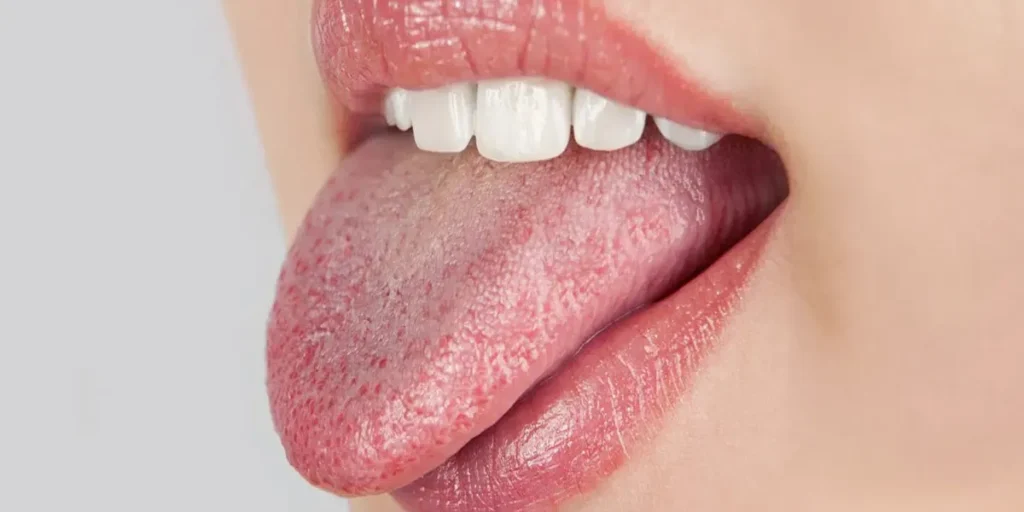
What it is
- Reduced salivary flow or the subjective feeling of a dry oral cavity.
- Can be objective (measurable low flow) or subjective (patient perception).
Key causes
- Medication‑induced: antihistamines, antidepressants, antihypertensives, diuretics, anticholinergics.
- Systemic diseases: Sjögren’s syndrome, diabetes, HIV, Parkinson’s, rheumatoid arthritis.
- Radiation therapy: head‑and‑neck cancer patients (dose‑dependent gland damage).
- Dehydration: excessive alcohol, caffeine, or inadequate fluid intake.
- Lifestyle: tobacco, mouth breathing, aging (often a combination of the above).
How xerostomia affects the oral cavity
- Increased caries risk – especially root caries and cervical lesions.
- Mucosal irritation – fissured tongue, erythema, ulcerations.
- Difficulty with speech, chewing, and swallowing.
- Altered taste and reduced enjoyment of food.
- Denture retention problems – loss of adhesion and increased soreness.
- Oral infections – candidiasis, periodontal disease acceleration.
Diagnostic checklist
- History: medication list, systemic conditions, radiation exposure, fluid intake.
- Subjective assessment: Visual Analog Scale (0 = no dryness, 10 = worst).
- Objective flow measurement:
- Unstimulated whole‑saliva: <0.1 mL/min = hyposalivation.
- Stimulated whole‑saliva: <0.5 mL/min = reduced flow.
- Salivary gland imaging (optional): sialography, ultrasound, or scintigraphy for radiation cases.
- Oral exam: check for coated tongue, mucosal erythema, caries, and denture fit.
Evidence‑based management
| Intervention | How to implement | Practical tips |
|---|---|---|
| Medication review | Coordinate with prescribing physician to taper, substitute, or switch to xerostomia-friendly agents. | Keep a medication-change log; monitor flow after adjustment. |
| Hydration & saliva substitutes | Encourage sipping water (room temperature) and use over-the-counter saliva substitutes (gel, spray, lozenge). | Recommend sugar-free, xylitol-containing products to aid remineralization. |
| Stimulating agents | Sugar-free chewing gum or lozenges (xylitol, sorbitol) 3-5 times daily; pilocarpine 5 mg PO qid or cevimeline 30 mg PO tid for Sjögren’s (prescribe after cardiac assessment). | Advise patients to chew after meals for maximal stimulation. |
| Topical fluoride | 1.1 % neutral fluoride gel or 5 % NaF varnish every 3 months. | Apply with custom trays for high-risk patients. |
| Dietary modifications | Limit acidic, sugary, and caffeinated drinks; increase water and moisture-rich foods (e.g., soups, fruits). | Suggest using a straw for acidic beverages to reduce contact time. |
| Oral hygiene adjustments | Use a soft-bristled toothbrush, fluoride toothpaste, and alcohol-free mouthwash; brush after meals to reduce plaque buildup. | Consider a nightly fluoride rinse before bedtime. |
| Denture care | Relieve suction by using denture adhesives with moisturizers; advise removal at night and soaking in water. | Recommend a denture-friendly cleanser that does not dry the mucosa. |
| Patient education | Provide a handout summarizing self-care steps; schedule follow-up in 4-6 weeks to assess response. | Use visual aids (flow charts) for quick reference. |
Prognosis & follow‑up
- Short‑term: Most patients notice symptom relief within 1–2 weeks of combined hygiene, hydration, and stimulant therapy.
- Long‑term: Chronic xerostomia (e.g., post‑radiation) may require lifelong management; regular dental recalls every 3 months are essential to prevent caries and infection.
- Monitoring: Re‑measure unstimulated flow at each visit; adjust stimulants or refer to a salivary gland specialist if flow does not improve.
Patient Handout – Daily Self‑Care for Xerostomia (Dry Mouth)
Why it matters
- Saliva protects teeth, helps swallow, and keeps oral tissues healthy.
- Low saliva → higher risk of cavities, gum disease, sore tongue, and difficulty speaking or eating.
What you can do each day
- Stay hydrated
- Sip water (≈ 8 oz) every hour; aim for ≥ 2 L total daily.
- Keep a bottle at your bedside and sip before sleep.
- Stimulate natural saliva
- Chew sugar‑free gum or suck on sugar‑free lozenges (xylitol or sorbitol) 3–5 times a day, especially after meals.
- Try a small piece of fresh fruit (apple, pear) or raw vegetables (carrot sticks) for natural stimulation.
- Use saliva substitutes
- Apply a saliva‑substituting spray or gel (e.g., Biotène, SalivaMAX) 2–3 times daily, especially before bedtime.
- Keep a pocket‑size spray for use when you feel dry.
- Modify your diet
- Limit coffee, tea, alcohol, and sugary drinks (they can dry the mouth further).
- Choose water, milk, or non‑citrus fruit juices.
- Eat moist foods (soups, stews, yogurt) and avoid overly salty or spicy snacks that irritate dry tissues.
- Practice gentle oral hygiene
- Brush twice daily with a soft‑bristled toothbrush and fluoride toothpaste (1,100 ppm).
- Floss daily; consider a floss holder if dexterity is an issue.
- Use an alcohol‑free, fluoride‑containing mouthwash (e.g., ACT® Fluoride Rinse).
- Rinse with a diluted baking‑soda solution (½ tsp baking soda in 8 oz water) once a week to neutralize acids.
- Use prescription stimulants only if needed (under dentist/physician supervision)
- Pilocarpine 5 mg PO qid or Cevimeline 30 mg PO tid for conditions like Sjögren’s.
- Discuss side effects (sweating, nausea) with your healthcare provider.
- Take care of dentures (if you wear them)
- Remove at night; soak in water or a denture‑soaking solution.
- Use a denture adhesive with moisturizers to improve comfort during the day.
- Track your symptoms
- Keep a simple diary: note times you feel dry, what you ate/drank, and any relief measures you tried.
- Bring this diary to your dental visit for personalized advice.
When to call your dentist
- New or worsening cavities, especially on root surfaces.
- Persistent sore spots, ulcers, or burning sensation.
- Difficulty swallowing or speaking that interferes with daily life.